
Bringing nature indoors has become a popular approach in office design. From moss walls to large plantscapes, these elements now serve as focal points in lobbies and meeting rooms. However, biophilic interior design goes far beyond scattering greenery across the workplace. It is a deliberate strategy that embeds natural rhythms, light, and textures directly into the architecture of an office.
When applied correctly, this design philosophy transforms static corporate spaces into dynamic and visually striking environments. Understanding the core pillars of biophilic design allows designers to balance its components and create human-centric layouts.
What is Biophilic Interior Design?
At its core, biophilic interior design creates spaces that help people feel more connected to nature. Instead of treating nature as a decorative afterthought, this approach uses environmental elements as foundational building blocks for structural layouts.
The value of biophilic interior design extends beyond creating an attractive workspace:
- Elevating User Well-Being: Creating environments that actively lower stress hormones and reduce mental fatigue. It also supports long-term cognitive health.
- Enhancing Space Utilization: Designing diverse layouts that naturally draw professionals into different areas of the office throughout the day.
- Future-Proofing Real Estate: Creating adaptable workspaces that continue to support employee comfort and well-being as workplace needs evolve.
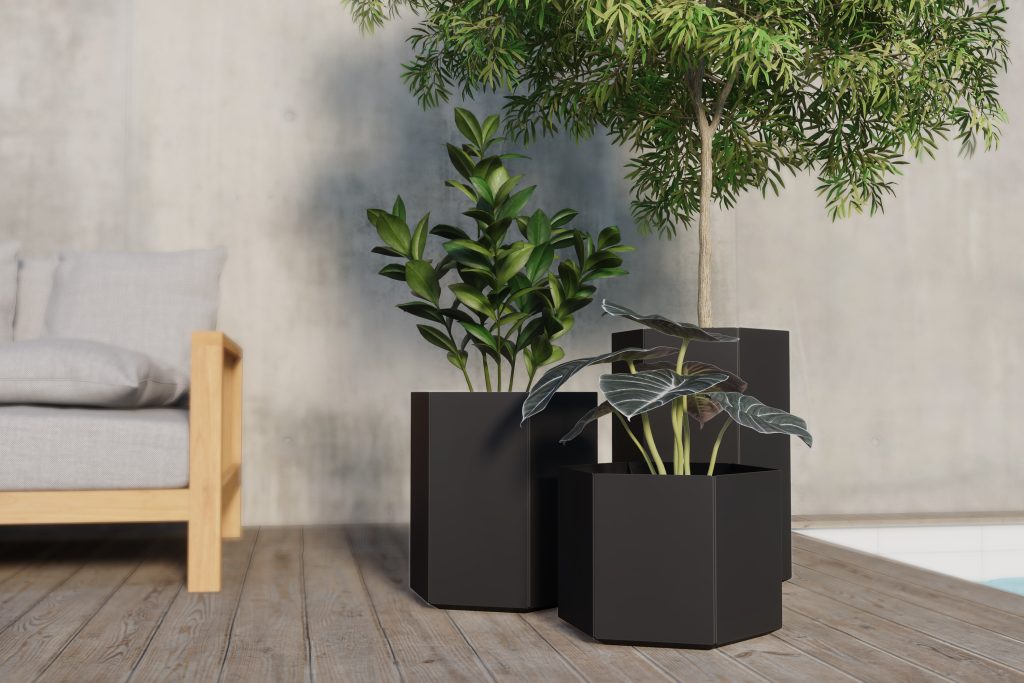
Achieving these goals requires moving past surface-level changes and looking at the architecture of the space as a whole. By focusing on how a space functions, professionals create environments that support daily human activity.
Implementing Biophilic Design in Commercial Spaces
Biophilic interior design is so much more than just putting plants on desks. There are plenty of other clever ways to bring the feeling of the outdoors into an office without turning it into a greenhouse.
Focusing on everyday materials and layout choices keeps the space highly functional. Here are a few practical elements designers use to pull off the design:
- Adjustable and Layered Lighting: Replacing harsh, uniform overhead fluorescents with a mix of ambient fixtures and controllable desktop task lights allows occupants to adjust brightness levels. This flexibility mimics the natural shifts of daylight throughout the day, preventing eye strain and mid-afternoon fatigue.
- Organic Textures and Finishes: Incorporating furniture, wall panels, custom planters, or flooring with visible wood grain patterns, matte surfaces, and woven fabrics introduces immediate sensory warmth. These natural materials provide a comforting contrast to cold, synthetic office finishes like plastic and high-gloss laminates.
- Varied Workspace Layouts: Structuring the floor plan to include both wide-open collaborative zones and quiet, deeply recessed focus booths mimics the variety found in natural landscapes. This layout gives employees the freedom to choose an environment that matches their specific task and energy level.
- Natural Color Palettes: Using earth tones, soft blues, muted greens, and warm clay colors on walls and textiles helps establish a calm, cohesive environment. These palettes subconsciously evoke outdoor landscapes, making large corporate spaces feel inherently more welcoming and less institutional.
Beyond Aesthetics: The Functional ROI of Nature-Inspired Workspaces
While biophilic interior design can enhance the look of a workspace, its value goes beyond aesthetics. The true value of this design approach lies in its ability to deliver tangible business outcomes.
Here are some of the operational returns that biophilic designs can offer for a company’s bottom line:
- Increased Productivity: Research indicates that teams operating in workspaces with natural elements demonstrate higher cognitive function, faster task completion times, and improved overall well-being.
- Reduced Employee Turnover: Providing comfortable, human-centric environments enhances overall workplace satisfaction, helping companies retain top talent in competitive markets
- Lower Absenteeism: Minimizing environmental stressors like eye strain and mental fatigue directly supports long-term physical health, keeping teams present and engaged.
- Enhanced Workspace Utilization: Incorporating flexible layout choices and adaptable lighting turns dead zones into highly frequented hubs. Providing these dynamic options serves as a must-have for agile workplaces, ensuring expensive square footage is fully utilized.
- Faster Project Approvals: Specifying high-performing wellness elements that boast clear data helps designers justify installation costs directly to executive stakeholders.
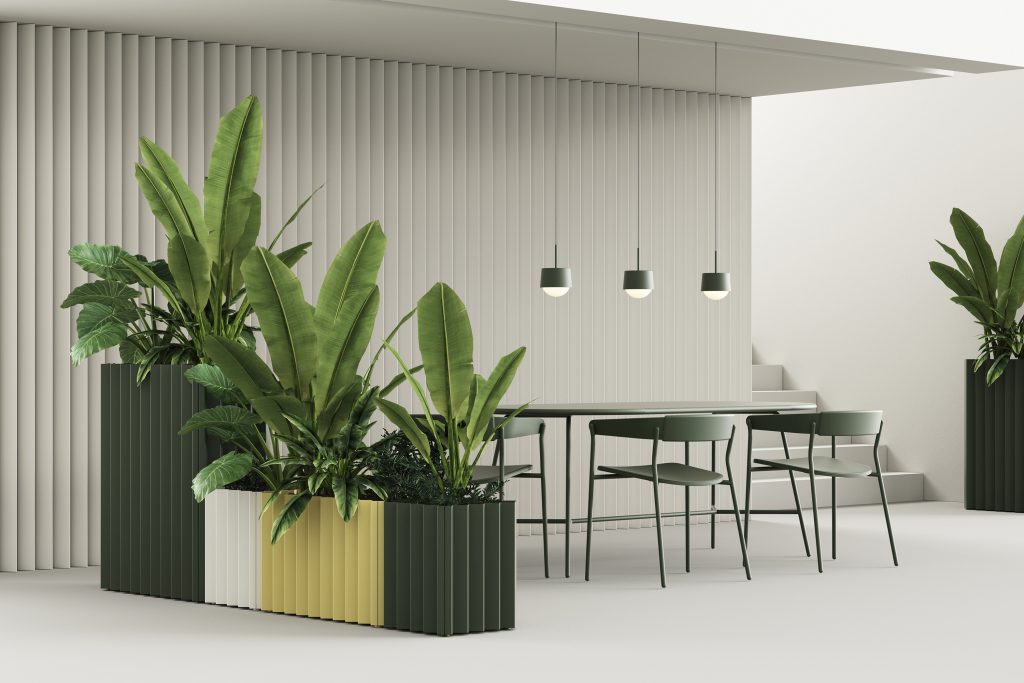
When a workplace lacks physical comfort and sensory variety, employees may actively avoid certain zones. Layering practical architectural elements avoids underutilized space and creates a functional corporate floor plan where professionals genuinely want to spend their time.
Make Greener Workspaces for More Productive Workflows
True biophilic interior design is a functional investment in human performance rather than a superficial aesthetic trend. At LightCorp, we support these environments with thoughtful lighting and workspace accessories that naturally mimic organic rhythms. Our solutions help keep professionals focused and comfortable throughout the workday.
Partner with us to bring your next commercial project to life with reliable, high-performing specifications built to ship in just 10 days.