
The power strip is one of the most important components of the office, yet it is frequently overlooked in the commercial design process. This hardware is what keeps workspaces fully functional. So, choosing the right one can be just as important as selecting ergonomic furniture and optimizing desk layouts.
To help ensure office spaces are powered as efficiently as possible, this guide explains why specialized commercial-grade power strip solutions are essential. We will also discuss how to select the right hardware to support offices.
Why Choosing a Commercial-Grade Power Strip Matters
Basic retail power strips are widely available and affordable, making them a tempting choice for a quick office setup. However, these consumer-grade units are rarely equipped to handle the high-intensity demands of a modern workspace.
Choosing the wrong hardware can lead to significant safety risks and frequent operational interruptions. It is essential to understand how professional-grade equipment protects investments and end users.
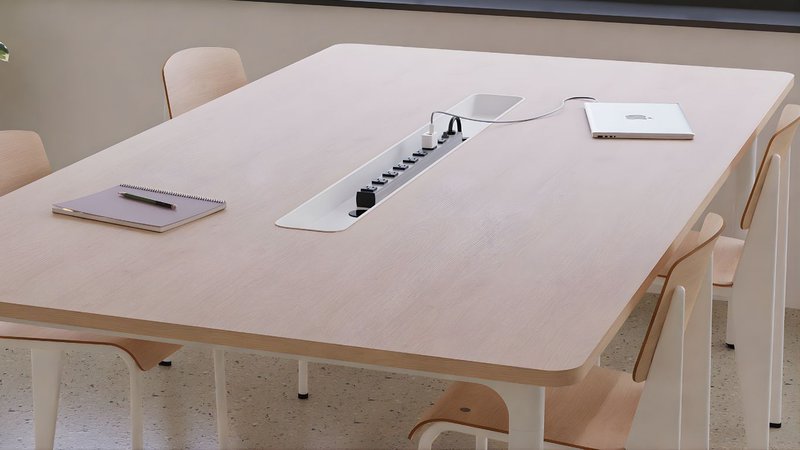
Below, we break down the most important reasons why it’s important to choose a commercial-grade power strip for projects:
Safety and Compliance
Commercial spaces have stricter safety regulations than residential properties. A commercial-grade power strip is typically certified for higher loads and continuous use, ensuring it meets product certifications and standards from organizations like Underwriters Laboratories (UL).
Using these prevents safety risks that basic consumer strips may pose, such as:
- Overheating from continuous use. Sustained electrical draws for 8 to 12 hours can lead to excess heat buildup and component failure.
- Electrical fire hazards. Overloaded circuits in inexpensive units increase the risk of fire in shared workspaces.
- Lack of proper certification. Many products sold online do not meet the testing standards required for commercial insurance and building codes.
Power Stability
Commercial power strips are engineered to deliver a steady, reliable current across outlets simultaneously. Unlike consumer power strips, these ensure that high-demand workstations receive consistent power throughout the day.
Using the right equipment provides a stable electrical foundation and helps avoid several technical issues that may otherwise be encountered when opting for retail power strips:
- Intermittent power interruptions. Basic units often cause monitors to flicker or devices to shut off randomly. This is highly disruptive to employee productivity and can lead to data loss.
- Tripped internal breakers. Modern desks require power for docking stations and multiple chargers. A commercial power strip handles these heavy loads, whereas consumer units often trip, causing unexpected downtime.
- Voltage fluctuations. Unstable power delivery from lower-grade hardware can damage sensitive electronics. A professional solution ensures clean power that protects office technology.
Higher Durability
Commercial-grade hardware is built to withstand the physical demands of a high-traffic professional environment. A high-quality power strip features heavy-duty housing and reinforced internal components that maintain their integrity even when used daily in open-office plans or shared workspaces.
Choosing industrial-strength equipment ensures that power distribution lasts the life of the project and helps avoid several durability issues:
- Physical wear and structural failure. Plastic retail units often crack or break when moved or kicked under a desk. Meanwhile, a commercial power strip typically uses high-impact materials to survive constant physical contact.
- Loose or unreliable outlet connections. Frequent plugging and unplugging can wear down the internal contacts of cheap strips. Professional units provide a firm, secure grip that prevents plugs from slipping out and causing power loss.
- Cable and cord degradation. Workplace layouts often require cords to be bent or routed through tight gaps in furniture. The heavy-duty cord on a professional power strip resists fraying and internal wire damage better than standard household cables.
Cost Efficiency
While a commercial-grade power strip requires a higher initial investment, it provides significant long-term savings by reducing the recurring costs of replacing worn-out hardware.
These units also help avoid the indirect costs of operational downtime. High-quality hardware protects valuable workstation technology and sensitive electronics from power fluctuations, extending the total lifespan of office equipment.
Better Workspace Integration
A commercial-grade power strip is designed to integrate directly into office furniture. These units typically feature specialized mounting brackets, clamps, or recessed housings that allow them to remain accessible while staying concealed from the main work surface. This level of accessible power defines the modern workplace, allowing teams to move freely between zones without losing connectivity.
This professional mounting prevents the tangled cords and visual clutter common with retail alternatives. Because these solutions are tailored for the office, they eliminate the tripping hazards and messy workstations that often detract from a high-end commercial design.
How to Choose the Right Power Strip
Not all commercial-grade options are built equal, so it’s important to carefully evaluate the specific needs of the design project. Selecting a high-quality power strip requires a balance between technical durability, safety compliance, and user convenience.
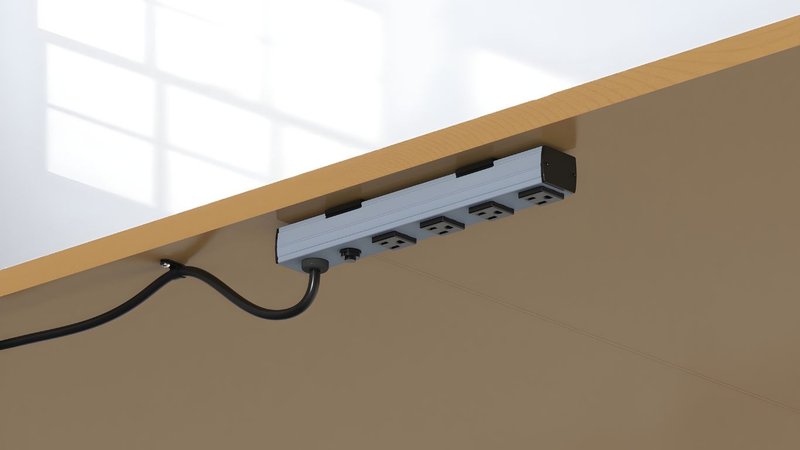
Consider these factors when evaluating hardware options:
- Verify Commercial-Grade Durability. Confirm the unit is physically rated for continuous professional use rather than light household tasks.
- Match Power Specifications to Workspace Needs. Ensure the power strip can handle the combined wattage of modern hardware, such as dual monitors and high-speed docking stations.
- Prioritize Mounting Versatility. Look for hardware with diverse attachment options, such as edge clamps or under-desk brackets, to maintain a clean workspace.
- Account for Future Floor Plan Re-Arranging. Select units with sufficient cord lengths and flexible plug orientations to accommodate potential shifts in office layout. Properly planning for workspace power early in the design phase ensures infrastructure remains agile as teams grow.
- Evaluate Ease of Access for the End User. Position the power strip so employees can reach outlets without crawling under desks.
Invest in Reliable Power Solutions
Choosing a commercial-grade power strip is a small investment that provides significant returns in safety, stability, and workspace organization. By prioritizing professional hardware over retail alternatives, equipment and teams are protected from unnecessary disruptions.
The right power solution ensures the office remains a reliable and productive environment for years to come. Talk to us today at Lightcorp to find the perfect commercial-grade power strip for your next project.