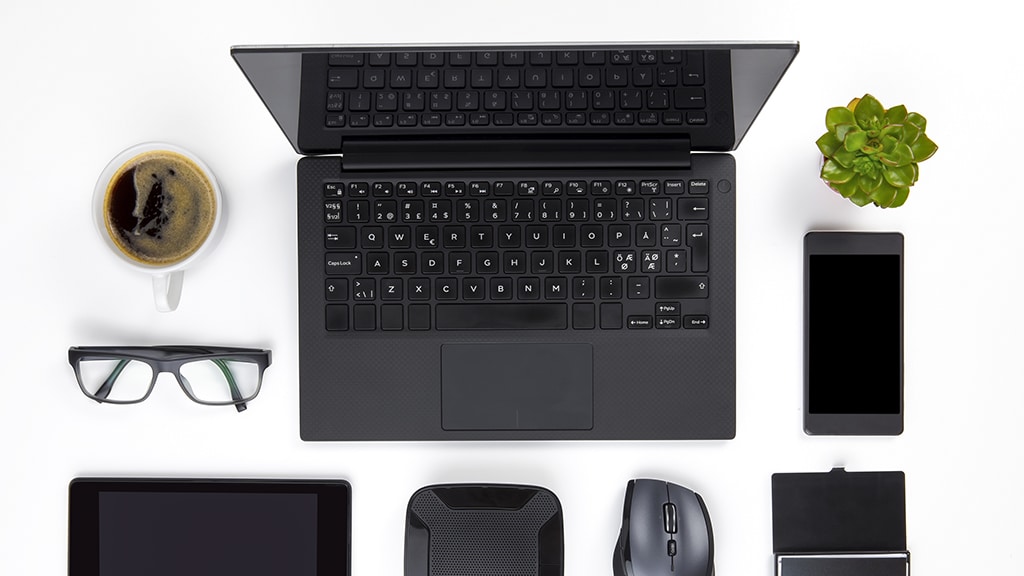
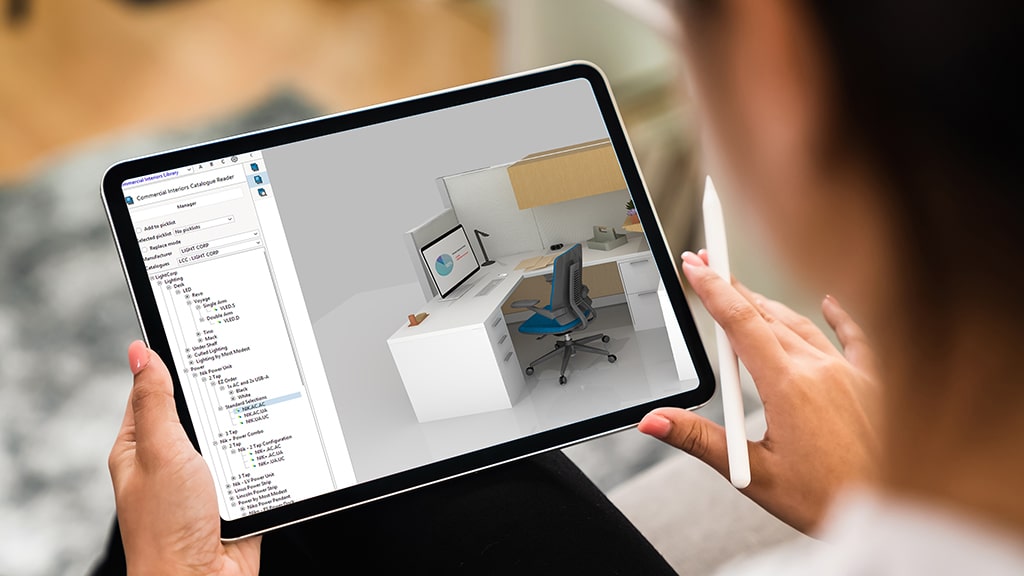
Walking the halls of NeoCon this year, one thing was abundantly clear: ancillary products are no longer playing a supporting role. These so-called “extras”—task lighting, portable power, mobile accessories, and biophilic accents—are stepping into the spotlight, helping companies rethink how their workspaces look, feel, and function.
In a time when large-scale renovations may be on hold thanks to economic uncertainty, these often-overlooked items are proving to be the fastest way to elevate workplace efficiency, boost productivity, and support employee well-being. If the goal is to get people back to the office and create a space people actually prefer to work in, ancillary is the new essential.
The New Work Paradigm Needs New Tools
As the workplace has evolved, so have employee expectations. Hybrid models have taught us that people thrive when they have a choice in where and how they work. Agile zones, unassigned seating, and multi-functional spaces are gaining ground, and they rely on a foundation of smart, adaptable furnishings and tools.
According to Gensler’s 2024 Global Workplace Survey, high-performing workplaces share a common trait: a palette of spaces that support everything from heads-down focus to spontaneous collaboration. Ancillary items are the key to making these spaces work, bridging the gap between intention and execution.
Lighting: The Unsung Productivity Hero
Lighting might be the most underestimated factor in workplace performance. A well-lit space can reduce eye strain, prevent headaches, and regulate mood and energy throughout the day. But it’s not just about brightness—it’s about control.
Layered lighting—combining ambient overheads with dimmable task lights—lets employees shape their environment to match the task at hand. Need to focus? Dial in crisp, directed illumination. Hosting an informal chat? Soften the vibe with warm accent lighting. The right lighting doesn’t just brighten a space—it shapes behavior, fosters comfort, and encourages productivity.
Power Access: Empowering Mobility and Connection
With today’s mobile workforce, power access must extend beyond the perimeter of the desk. Freestanding power units and clamp-mounted outlets make it easy to plug in wherever work happens—from a casual lounge area to a quiet alcove.
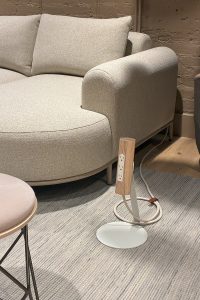
These tools remove friction. They enable teams to gather quickly, take their devices with them, and stay connected without having to hunt for outlets. Whether it’s charging a phone during a one-on-one or powering a laptop in a pop-up meeting space, flexible power solutions keep productivity on the move.
Accessories: Small Tools, Big Transformation
Office accessories do more than “decorate”—they define how a space works. Wheeled carts, caddies, and wall-mounted storage solutions keep tools organized and portable. Desktop organizers reduce clutter, add personality, and give employees a sense of ownership and control over their space.
Accessories also play a critical role in flexibility. When a team needs to pivot—literally—accessories enable quick clean-ups, mobile setups, and rapid transitions. Best of all, they offer a fast and affordable way to bring warmth and personality into a space without long-term commitment or significant budget outlay.
Biophilic Elements: Nature Meets Functionality
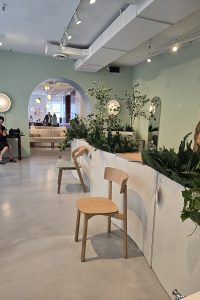
It’s hard to overstate the benefits of bringing nature into the workplace. Biophilic elements, such as greenery, natural textures, and organic forms, have been proven to lower stress, boost mood, and support mental clarity.
Planters—especially modular, mobile ones—double as space dividers, visual anchors, and wellness boosters. Whether perched on a windowsill, placed in a breakout area, or used to frame quiet zones, greenery softens the work environment and brings calm to the chaos of the day.
Layered Together, Ancillary Products Work Harder
The magic happens when ancillary items work in concert—their compounding power unlocks entirely new ways to use space effectively, flexibly, and beautifully. Think of them as modular building blocks that can be tailored to different work modes without a full remodel.
In action, consider three everyday scenarios:
- The Quick Huddle: A few poufs, a rolling whiteboard, and a freestanding power dock turn a hallway alcove into a pop-up team meeting space in under five minutes—no conference room required.
- The Focus Zone: Task lighting, acoustic panels, and a small storage caddy create a distraction-free nook for heads-down work, even in the middle of a larger open space.
- The Recharge Spot: A soft lounge chair flanked by a planter and subtle ambient lighting invites a moment of pause, supporting wellness and preventing burnout.
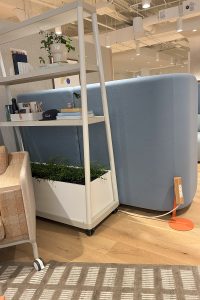
Each element serves a role, but when layered together, they create functional micro-environments that flex as needed, without construction, downtime, or high spend.
From Optional to Operational
In the past, ancillary products may have been the first to be cut from the budget, but today, they’re driving the functionality and flexibility that modern workspaces demand. These are not just nice-to-have touches. They are strategic tools that enhance user experience, support work modes as they evolve throughout the day, and help turn a generic office into a high-performing destination.
As companies reimagine their spaces for what’s next, it’s time to shift our thinking. Ancillary isn’t extra. It’s essential. /