
While office essentials like chairs and lighting haven't changed much over the decades, the modern power solutions required to support them definitely have. Today, designers aren't just planning for one person at one desk; they are creating fluid environments for shared use and constant movement.
Because of this shift, connectivity must be flexible enough to support multiple devices and diverse work styles throughout the day. Integrating these tools into the layout from the start ensures the entire space runs more smoothly once people move in.
When power follows human behavior, it prevents messy cords and crowded outlets from cluttering a beautiful design. Placing access exactly where work happens allows users to transition between stations intuitively.
In this article, we will explore how high-quality power impacts office flexibility, what to look for when specifying products, and how to keep project timelines on track.
How Power Solutions Shape Workflow, Flexibility, and Speed
Building a space that feels intuitive requires examining how movement occurs throughout the day across a floor plan. When the right power solutions are integrated into the design early on, they act as the foundation for this high-performing environment.
This early planning ensures that when a designer creates a collaborative hub, whoever uses the space will never have to crawl under a desk to find a plug. Providing accessible connectivity in this way ensures that the transition from a morning meeting to an afternoon focus session is completely seamless.
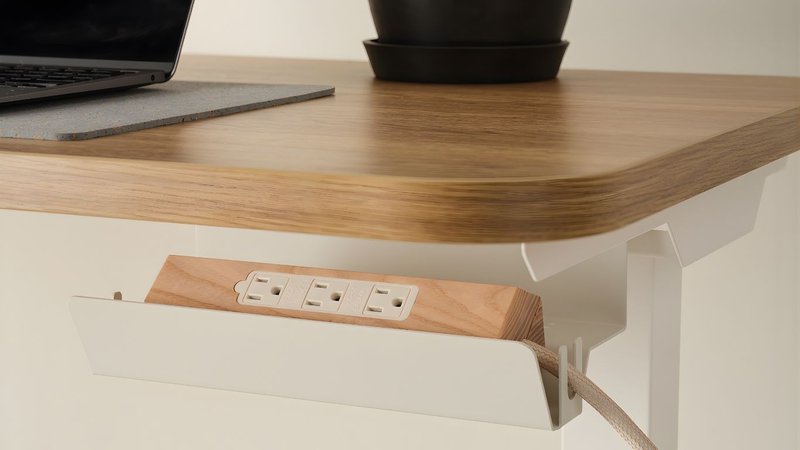
The following factors demonstrate how these strategic power choices directly impact the success of a modern workspace:
- Workflow Integration: Having commercial-grade power strips and ancillary power solutions at work means users can transition between devices without missing a beat. This keeps the momentum of the workday high and prevents the frustration of searching for a charge.
- Design Flexibility: Agile offices require frequent rearranging to accommodate growing teams. Utilizing modular, ancillary power solutions allows designers to bring power to lounge areas and open-plan zones, making it easy to re-adjust workspace layouts as project needs change.
- Speed of Implementation: For the dealer or account executive, selecting standard power products with a 10-day lead time means the project stays on schedule. Speed in the supply chain translates directly to a faster move-in date for the client.
How to Choose the Right Power Solutions for Projects
Selecting hardware for a commercial environment requires balancing aesthetic vision with functional necessity. For an A&D space designer, the priority is finding power solutions that integrate seamlessly into the furniture.
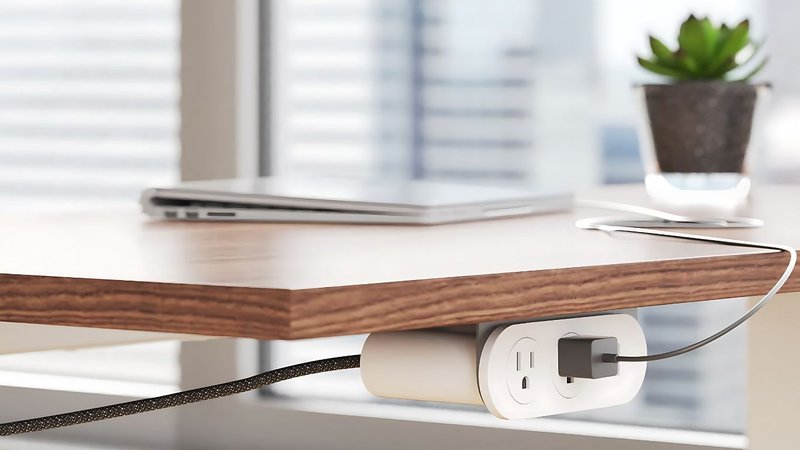
Identifying how the users will interact with their workstations is the first step toward a successful layout. Consider these criteria when choosing power solutions for projects:
Commercial vs. Residential Grade
Professional environments and agile workspaces demand greater durability and specific safety certifications that home office gear simply cannot match. That said, keep these standards in mind when evaluating power components for commercial spaces:
- Evaluate the housing material and cord gauge to ensure it can withstand the friction of constant rearranging.
- Look for hardware specifically rated for high-traffic office use to prevent the risk of internal components loosening over time.
- Prioritize hardware that meets local building codes for permanent installations to ensure a smooth final inspection.
Mounting and Placement
Versatility is key for offices requiring repositioning of units across different surfaces throughout the day. To ensure the hardware stays secure and functional, consider these mounting requirements:
- Determine if the project requires mounted power units that clamp to the edge of a desk for easy removal or under-mount options for a hidden look.
- Check compatibility with various surface thicknesses, including glass and reclaimed wood, to ensure a secure, stable fit.
- Select mounting styles that keep cords organized and clutter-free to maintain the visual intent of the overall office design.
Modular Flexibility
Modern offices require systems that can grow alongside the team without the prohibitive cost of expensive rewiring. Focus on these features to ensure the system is ready for future changes:
- Look for scalable, modular power solutions that allow for easy expansion as more workstations are added to the center of a room.
- Check for plug-and-play connectivity that allows the end user to shift stations without needing technical assistance.
- Select systems that make it simpler to re-adjust layouts without needing to call an electrician for every minor desk move.
Aesthetic Integration
Power should complement the design rather than distract from it, so consider how the finish reacts to the office lighting. Use these design-focused criteria to select a cohesive look:
- Choose colors and finishes that harmonize or accent the furniture during day-to-day use to create a cohesive brand experience.
- Look for low-profile designs that remain accessible to the end user without sacrificing the clean visual lines of the desk.
- Ensure the unit size is proportional to the work surface to avoid an overcrowded or clunky appearance at the station.
Lead Time and Specs
Dealers and designers need quick access to technical specs to finalize orders and stay on schedule. Prioritize these logistical factors to keep the project on track:
- Confirm the manufacturer provides downloadable CAD files and installation guides early in the specification phase.
- Choosing a reliable partner ensures the final move-in isn't delayed by backorders, keeping the client’s doors open on time.
Keep Projects Moving with Power Solutions That Actually Work
A designer's choice in power solutions is a critical factor in keeping high-stakes projects on track towards a successful move-in. When a dealer or specifier selects hardware that is easy to install and built to last, they are protecting the project timeline from late-stage complications.
At LightCorp, we design power, lighting, and workspace solutions that align with different layouts and integrate directly with furniture systems. Products arrive ready to install, helping avoid coordination issues and keeping projects on schedule. Talk to us at LightCorp today to get power solutions that work the way office spaces are designed to function.