
Today’s commercial workspaces must be ready to adapt to the evolving structural needs of a growing workforce. Many designers incorporate movable acoustic partitions and modular furniture systems into their layouts so that end users can reconfigure their floor plans as needed. However, this architectural freedom presents one critical challenge for designers: selecting a power module that can adapt alongside changing floor plans.
Choosing the right electrical infrastructure is vital because traditional power distribution units can be too bulky and difficult to move for flexible offices. An adaptable power solution will help preserve the design’s longevity and ensure that future layout changes are easy.
To simplify the selection process, this article outlines the specific features that make a power module adaptable. It also explores how to evaluate these electrical options given the evolving needs of the modern office environment.
What Makes a Power Module Truly Adaptable?
Not all commercial power systems are flexible enough to meet the needs of agile workspaces. Traditional electrical components are often too rigid and lack versatility in installation. This makes them a hassle to manage whenever the office layout changes.
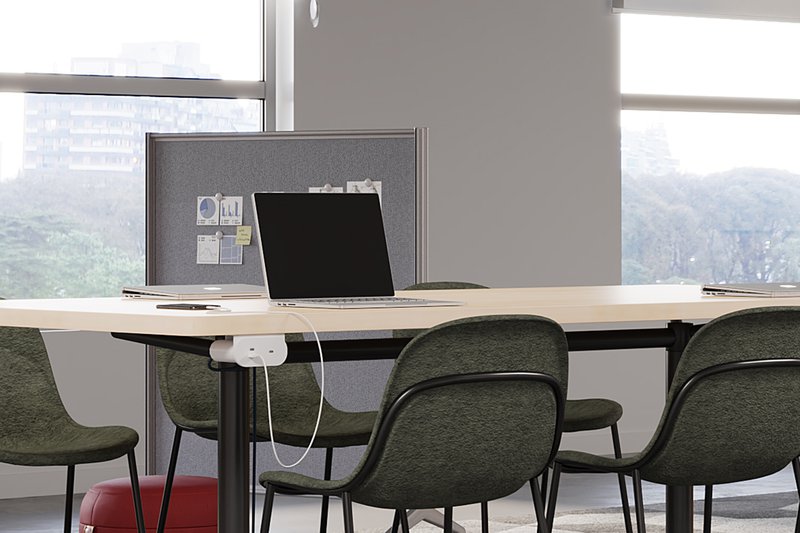
To ensure long-term functionality, designers must look for specific mechanical and logistical features during the selection process. The following design-centric characteristics determine whether a power module can truly evolve alongside a dynamic workspace:
- Modular Linking Capabilities. A flexible system allows multiple units to link together seamlessly. This makes it simple to scale power across an expanded row of benching tables without needing to overhaul the main wall feed.
- Intuitive, Bracket-Based Installation. Specifying straightforward clamping mechanisms and simple hardware ensures that field installers can rapidly reconfigure the workspace layout without specialized tools or complex wiring.
- Low-Profile Form Factors: Slim, compact designs ensure the unit blends seamlessly with various furniture styles, whether on a casual collaboration table or tucked beneath a dedicated workstation.
How to Choose a Power Module for the Modern Office
When designing a flexible commercial space, selecting the right hardware requires looking beyond basic utility. Choosing power strips or desktop outlets requires a strategic approach that aligns with how the physical space will be used over time.
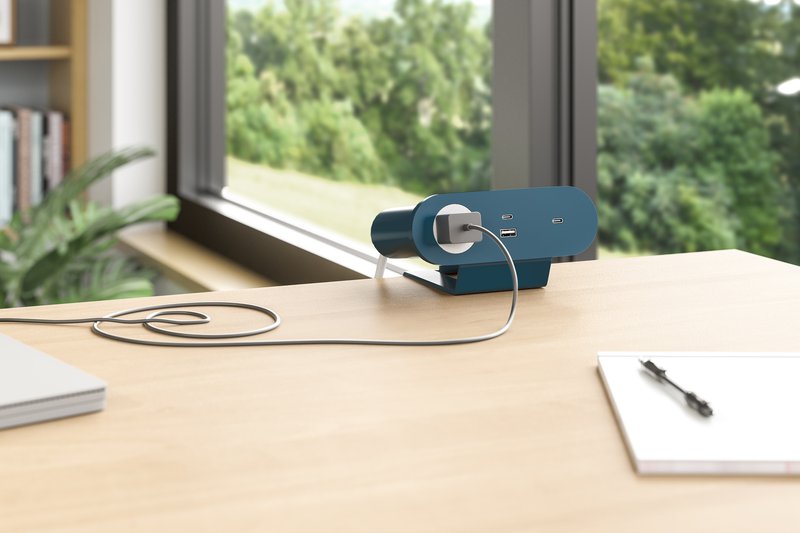
Designers can streamline this selection process by analyzing a few key operational variables, such as the following:
- Evaluate Furniture and Partition Compatibility. Ensure the unit integrates seamlessly with various movable partition walls and modular desk systems. The chosen solution must interface cleanly with different panel thicknesses and furniture brands so it can transition across various assets as layouts change.
- Assess Integrated Cable Management. Mobile furniture requires tidy cords to prevent tripping hazards during a layout shift. Look for options that offer clean routing pathways or bracket accessories that keep heavy cords organized and off the floor when desks are repositioned.
- Verify Mounting Flexibility. The hardware must adapt to different orientations based on the changing needs of the workforce. A truly agile unit can switch from an above-desk clamp to an under-desk mount, allowing the same electrical component to serve a privacy-screened workstation or an open collaborative table.
- Prioritize Portability and Reconfigurability. Select compact designs that are easy for facilities teams to unclamp, move, and reinstall. The system should allow for effortless rearrangement without requiring complex tools or a lengthy teardown process every time a team area expands.
- Analyze Manufacturing Reliability. Lastly, a flexible design is only effective if the hardware arrives exactly when needed. Partner with a manufacturer that provides reliable lead times and easy to access spec sheets to ensure that agile layout updates proceed without logistical delays.
Prioritizing these adaptable electrical options ensures the workplace remains fully prepared for various office configurations.
Find Flexible Power Solutions at Lightcorp
When managing agile commercial office layouts, small details dictate overall success. Movable partitions and modular furniture require flexible electricity. Specifying an adaptable power module system ensures that changing floor plans remain fully functional.
Partnering with an industry leader like LightCorp makes all the difference for design professionals. We proudly manufacture responsive electrical solutions in Grand Haven, Michigan. Our products allow commercial spaces to expand, contract, and pivot while remaining powered.
Get in touch with us at LightCorp today for more information about our power solutions.